









Seeing whales and dolphins in the wild
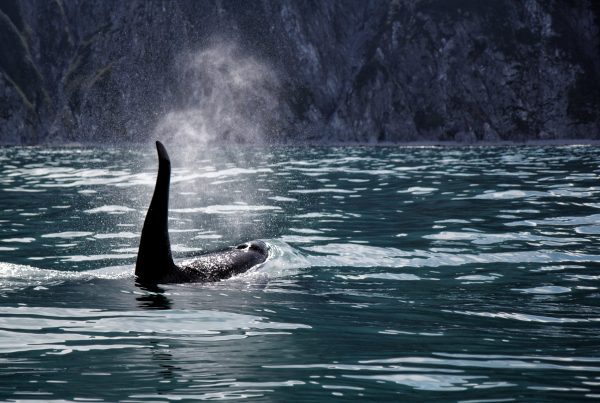
Whale and dolphin watching tours are a fantastic alternative to seeing captive dolphins under inhumane conditions in marine parks and dolphinariums. When responsibly conducted, eco-tours play a huge role in inspiring people to love and cherish wild dolphins, and in turn be inspired to help protect them. The benefits of responsible marine mammal-based ecotourism span from a better appreciation of the marine wildlife to supporting local economies, especially in developing countries in where whale and dolphin watching tours present an alternative to hunting or capturing dolphins.
Life-changing expirience!
It is vital to find a responsible tour operator that minimally impacts dolphins and whales, so that both you and the animals can have the best encounter. Below are tips to having the best encounters with wildlife, and letting the wildlife have the best encounter with you!
Always remeber
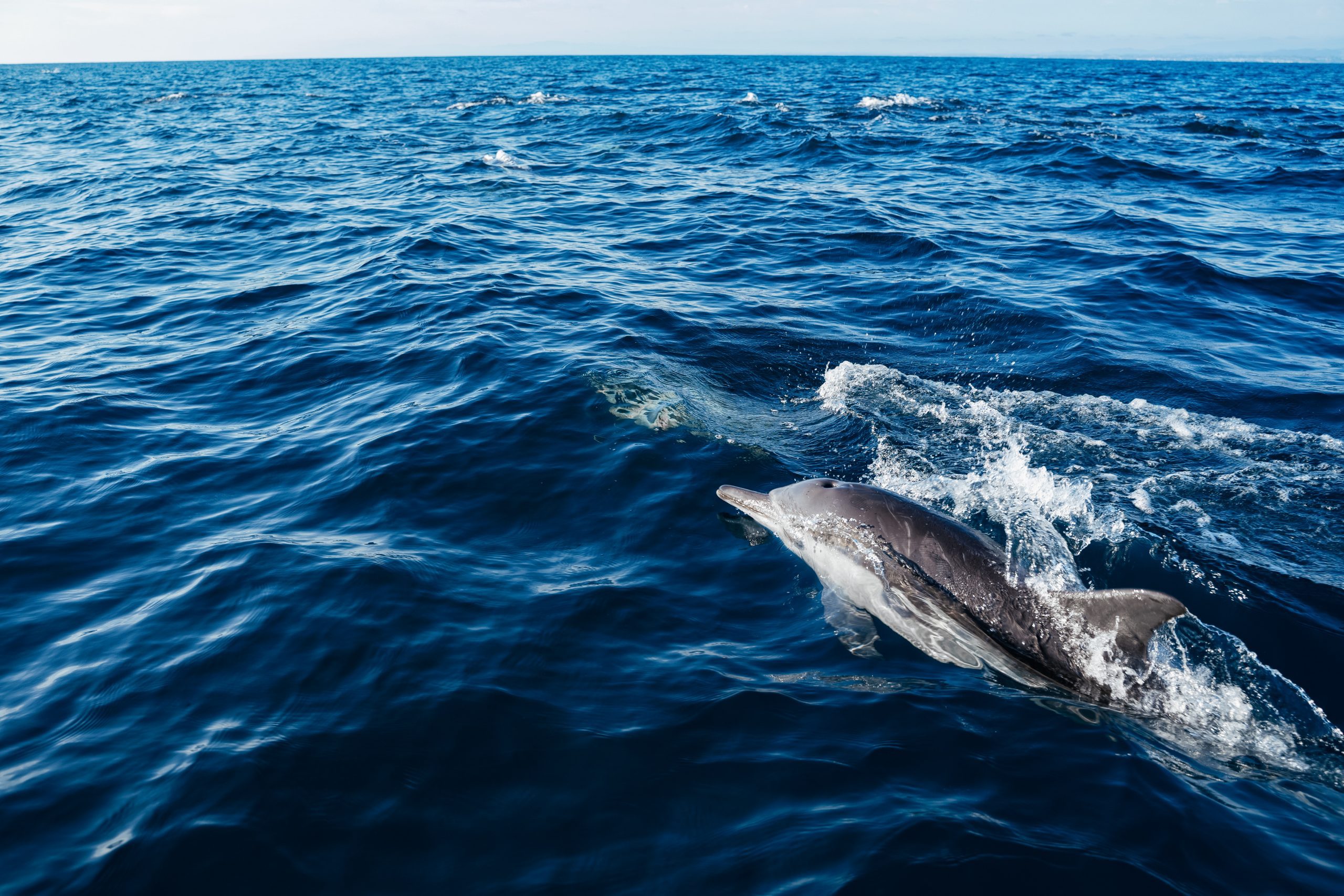
The trip should be about education, not sensation. Always remember to let whales and dolphins decide what happens; never force an interaction and keep a respectful distance appropriate for each species. Some dolphins willingly approach to surf in the pressure wave created by the bow on the front of the boat (also called “bow riding”); larger whales typically travel or forage at a distance but may occasionally approach or “mug” a vessel.